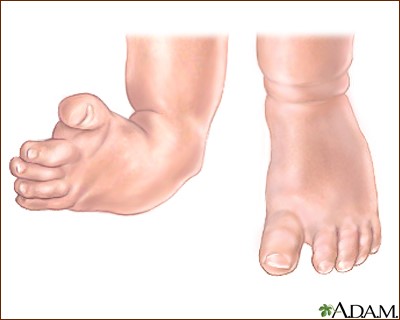
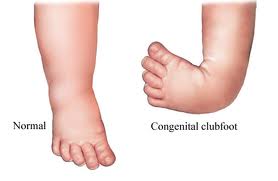
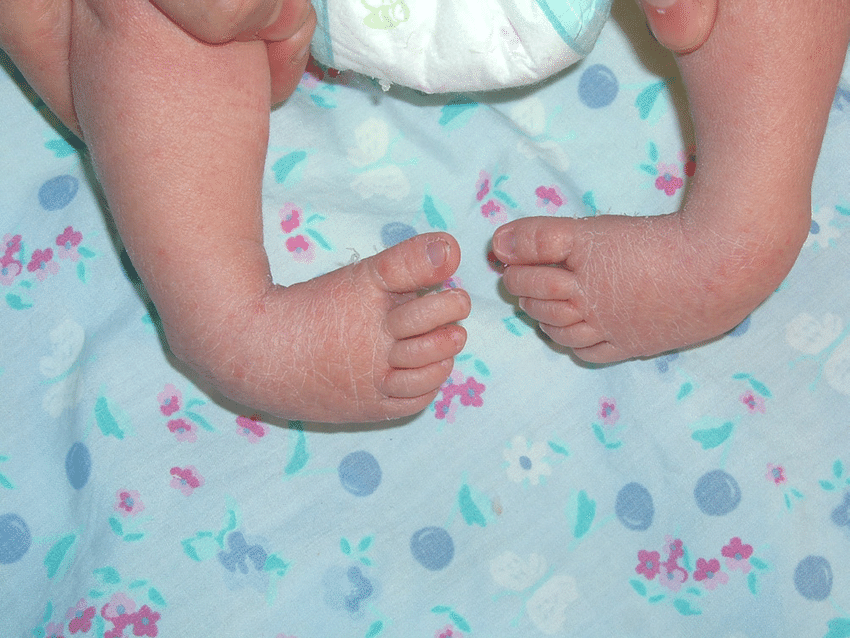
Club Foot Talipes equinovarus (once called club foot) is a deformity of the foot and ankle that a baby can be born with It is not clear exactly what causes talipes In most cases, it is diagnosed by the typical appearance of a baby's foot after they are born The Ponseti method is now a widely used treatment for talipesClub foot can happen in one foot or in both feet In almost half of affected infants, both feet are involved Although club foot is painless in a baby, treatment should begin immediately Club foot can cause significant problems as the child grows But with early treatment most children born with club foot are able to lead a normal life This term – clubfoot – is a reference to the fact that the foot is situated with a sharp direction to the ankle – reminiscent of the head of a golfing club This is a fairly common defect at birth and is normally a secluded condition of a newborn who is otherwise healthy The deformity can be severe, or very mild, affecting both or only

Club Foot
What causes a baby to have clubfoot
What causes a baby to have clubfoot-The doctors used a magnetic resonance imaging (MRI) scan and found that I had a tumor on my spinal cord The doctors thought this tumor is what led to my clubfoot, a birth defect of the foot Clubfoot usually happens when the tissues that connect muscles to bone in a baby's leg and foot are shorter than normal Diagnosis, Symptoms, and Causes of Clubfoot Clubfoot is a musculoskeletal birth defect that affects nearly 0,000 infants every year The condition is likely as old as humanity;


3
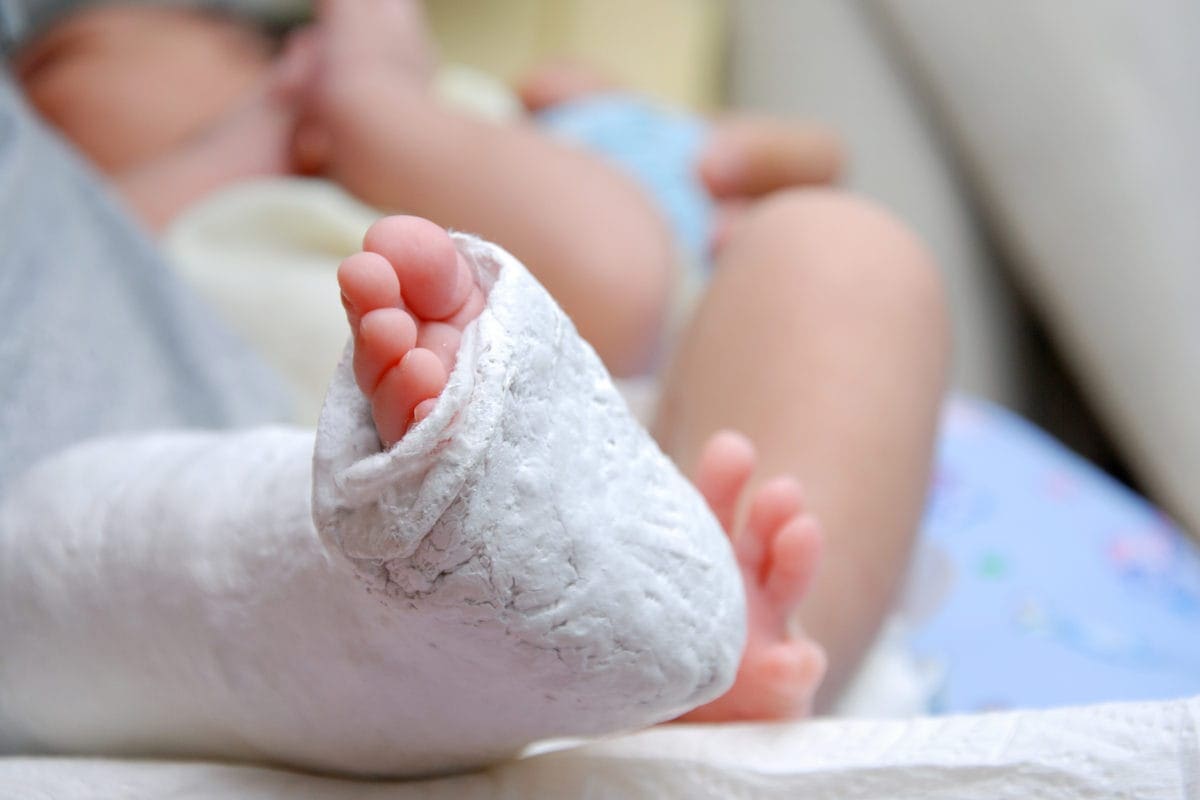
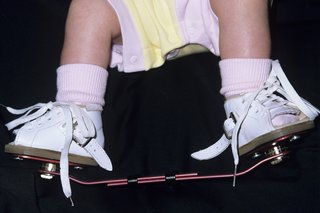
Baby club foot cast What causes clubfoot in a baby A baby who is born with a clubfoot is first treated with a cast to stretch the foot into a more normal position A new cast will be placed every week so the foot can be stretched into position Cast changes continue for about 2 months After casting, the child wears aThis is a Clubfoot which involves a foot that is often swollen, has a The exact cause of clubfoot is unknown, but doctors agree that a family history of clubfoot increases the likelihood that a child will be born with the condition Also, mothers who smoke and drinkCalcaneovalgus foot is one of the most common deformities of the foot seen in newborns Babies with this condition are born with their foot and ankle excessively bent up, where the toes are usually touching the shin
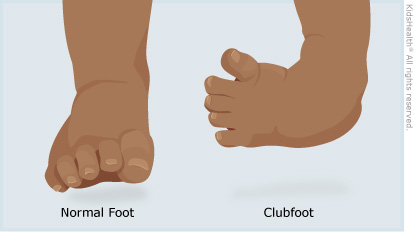
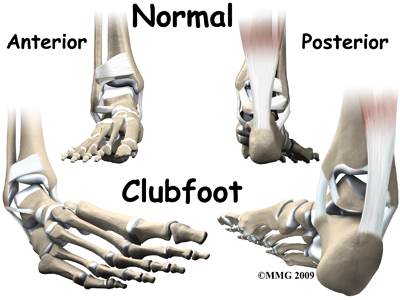
What happens if clubfoot goes untreated?Clubfoot, also known as talipes equinovarus, is a condition where a baby's foot is twisted inward to the point where the bottom of the foot faces sideways and in some cases upward When a child has clubfoot, their feet and legs have all the same bones, tendons and muscles as a healthy child, but they are positioned incorrectlyClubfoot is a foot deformity classified into three different types idiopathic (unknown cause), neurogenic (caused by condition of the nervous system) and syndromic (related to an underlying syndrome) Idiopathic Clubfoot Also known as talipes equinovarus, idiopathic clubfoot is the most common type of clubfoot and is present at birth
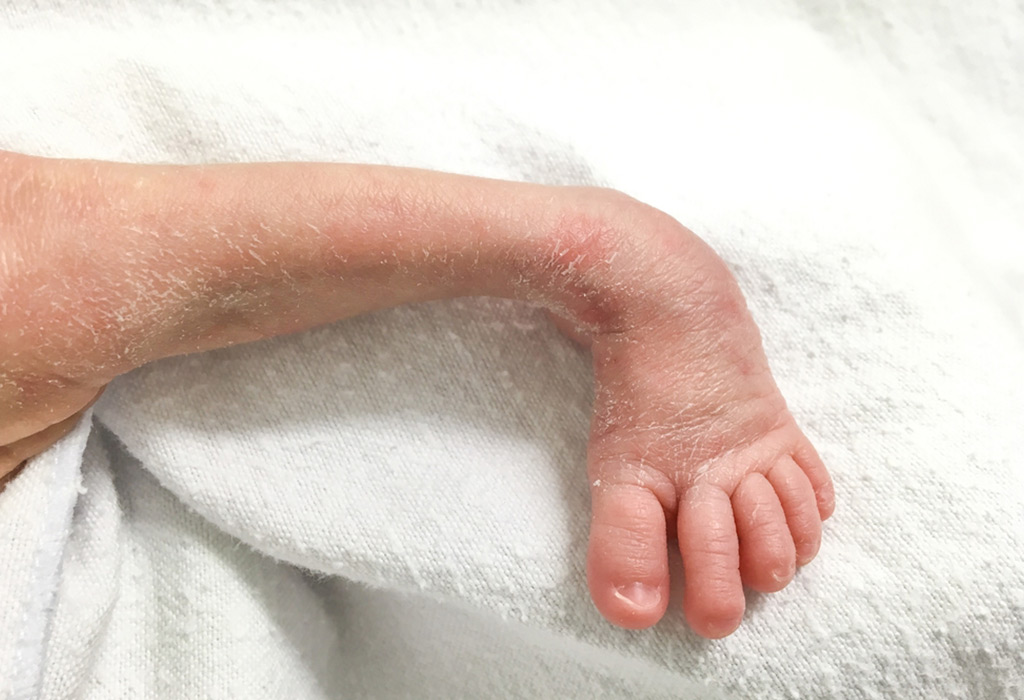
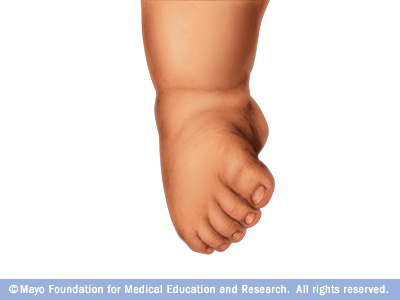
Clubfoot is a birth defect where one or both feet are rotated inward and downward The affected foot and leg may be smaller than the other Approximately 50% of cases of clubfoot affect both feet Most of the time, it is not associated with other problems Without treatment, the foot remains deformed, and people walk on the sides of their feet This may lead to pain and difficulty walking Husband looked at the photo, said calf has contracted tendon, rather than club foot Other front foot is also contracted a little Could be a mineral deficiency, maybe selenium?Clubfoot Clubfoot, also known as congenital talipes equinovarus , is a fairly common birth defect It occurs in about 1 out of every 750 to 1,000 live births This defect can occur in one or both feet About twice as many boys are affected than girls are The most severe form of clubfoot is characterized by the foot or feet being turned inward

Clubfoot Orthopaedia

When Your Child Has Clubfoot
Club foot often affects the forelimbs in most cases, whereby the hoof has a deformed shape, making walking difficult or painful Vet bills can sneak up on you Plan ahead Get the pawfect insurance plan for your pup Compare plans Club Foot Average Cost From 568 quotes ranging from $2,000 $5,000 Average CostNot all experts agree on congenital clubfoot causes Some believe clubfoot develops because of an abnormally shaped anklebone Others think clubfoot happens because of abnormal nerve function in the leg, or because of abnormal tissues in the muscles and tendons of the foot Although it might be a genetic condition, most families show no clearClubfoot, or congenital talipes equinovarus, is a congenital foot deformity, where the baby's foot is twisted because the tissues that connect the muscle to the bones are shorter than usual

To Parents Of Children Born With Clubfeet University Of Iowa Stead Family Children S Hospital
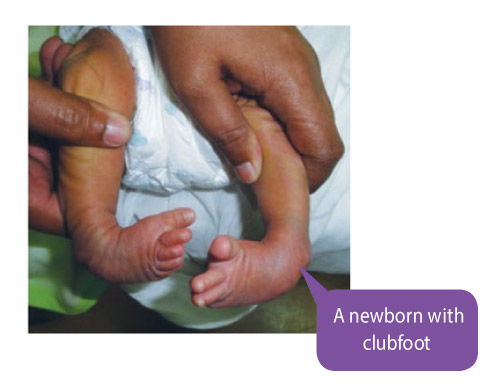
Untreated Clubfoot In Children Can Cause Lifetime Disability Expert Educates Nigerian Parents On The Birth Defect Motherhood In Style Magazine
Genetics is the major causes of clubfoot Now, with regard to the environmental factors and causes of this condition, it is often seen that if the mother has problems which affect the nerve, muscle or even the bone systems, it may result in this condition, hence it is very important to get a newborn screening done for the baby so that theCanine clubfoot, also known as congenital talipes equinovarus, is a genetically defined deformation that has more to do with the leg bone than the foot Because the front leg bone does not grow properly, the femoral structure pushes the dog's foot outward or inward This condition also can occur when a young puppy is denied a nutritious dietIn clubfoot, the tendons that connect the leg muscles to the foot bones are short and tight, causing the foot to twist inward Although clubfoot is diagnosed at birth, many cases are first detected during a prenatal ultrasound In about half of
Clubfoot Orthoinfo os
Clubfoot Orthoinfo os
Club foot is a very treatable condition The treatment will not stop your child from developing normally They will roll, sit, crawl, walk and run at typical stages What causes club foot?Club foot affects the bones, blood vessels, muscles and tendons in the child's foot It can happen in one or both feet If the infant has bilateral club feet (both feet are involved), the soles of the feet face each other This condition affects one in every 1,000 births It Clubfoot is a congenital physical deformity In clubfoot, the tendons on the inside of the leg are shortened, the bones have an unusual shape,
:max_bytes(150000):strip_icc()/clubfoot_after-56a6fb603df78cf7729142e6.jpg "Photos Of Babies With A Clubfoot")
Photos Of Babies With A Clubfoot
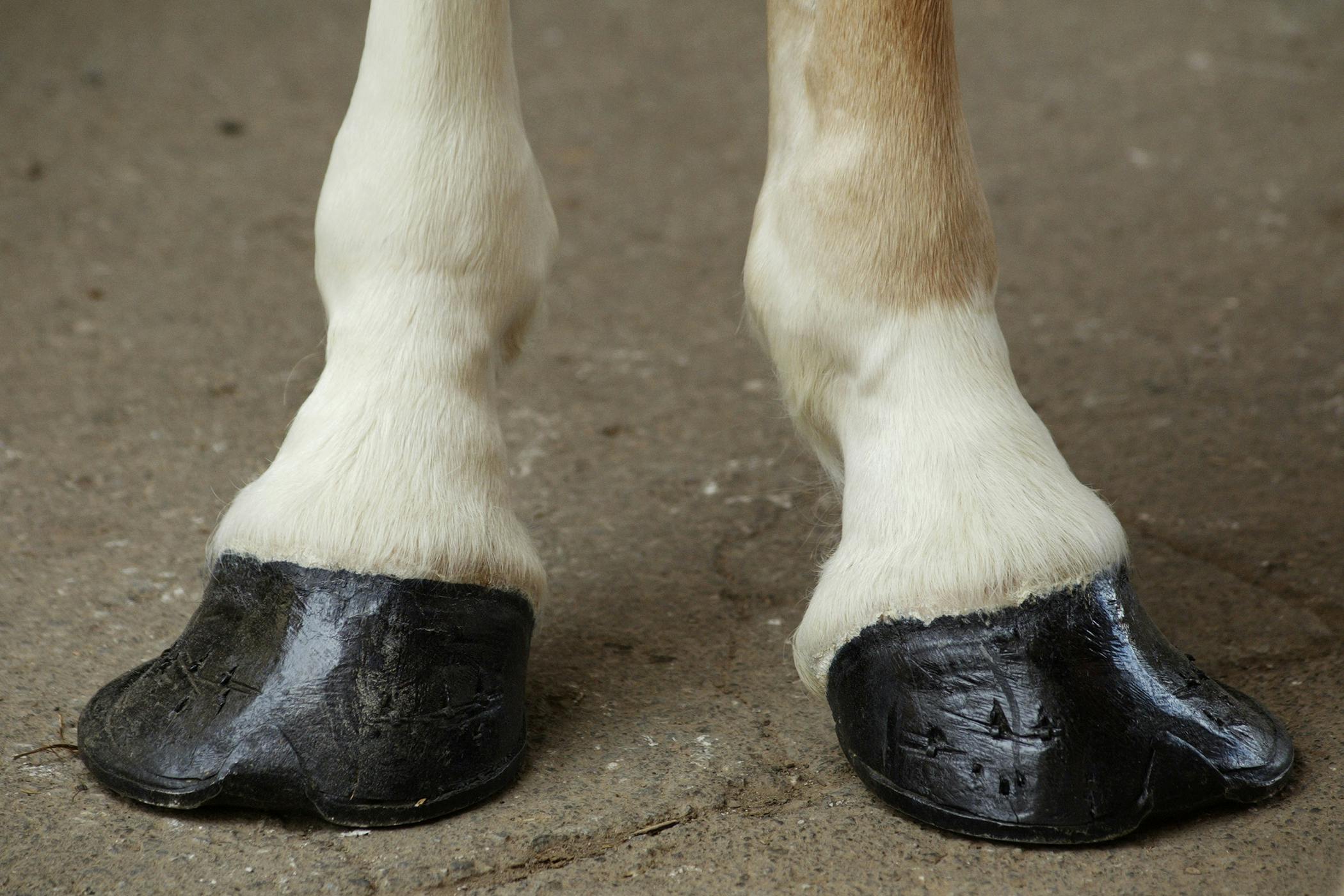
Club Foot In Horses Symptoms Causes Diagnosis Treatment Recovery Management Cost
Pediatric Clubbed Foot Clubfoot, also known as talipes equinovarus, is a congenital (present at birth) foot deformity It affects the bones, muscles, tendons and blood vessels and can affect one or both feet The foot is usually short and broad in appearance and the heel points downward while the front half of the foot (forefoot) turns inwardClubfoot is a congenital condition that affects newborn infants The medical term for clubfoot is Congenital Talipes Equinovarus This condition has been described in medical literature since the ancient Egyptians Congenital means that the condition is present at birth and occurred during fetal development The condition is not rare and the incidence varies widely among different races In Causes of a baby born with club foot Baby born with Club feet can be a result of genetic as well as environmental factors If one parent has club foot there is a 34 % chance of a baby being born with club foot If both parents have club foot the chance increases to 15%

Positional Clubfoot
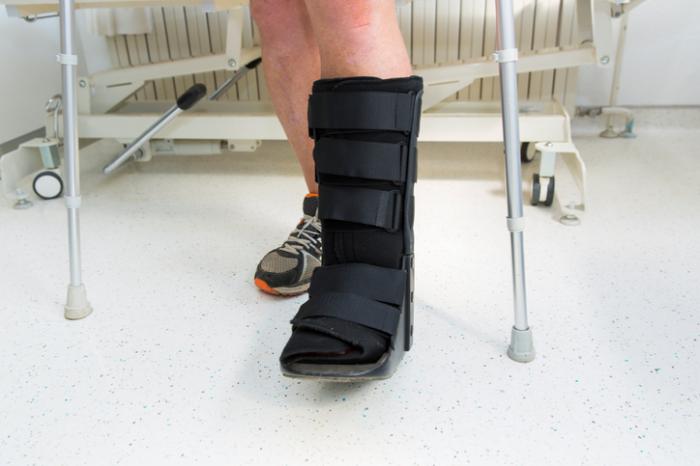
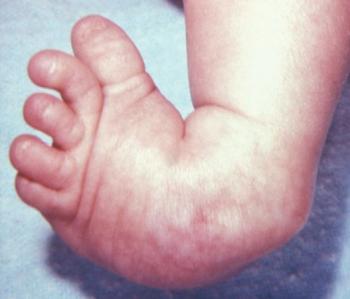
Clubfoot Causes And Treatments
Clubfoot is a congenital condition (present at birth) that causes a baby's foot to turn inward or downward It can be mild or severe and occur in one or both feet In babies who have clubfoot, the tendons that connect their leg muscles to their heel are too short These tight tendons cause the foot to twist out of shape An examination of the feet is an essential component of an evaluation of a newborn A thorough examination can be performed quickly Despite its small size, the newborn foot is a complex structureThe most common type of clubfoot is idiopathic, which means the cause is unknown Idiopathic clubfoot is not related to any other medical problems Feet of babies with this type of clubfoot are stiff and hard to manipulate Syndromic clubfoot Syndromic clubfoot occurs when the condition is part of a larger syndrome
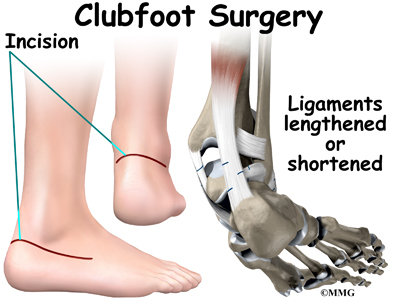
Conditions And Treatments

A Pair Of Shoes Can Change A Life Our Clubfoot Journey
The causes of congenital clubfoot are ultimately not clear Genetic causes are discussed If there is a family predisposition, the risk of having a child with clubfoot is increased The likelihood of having a second child with a clubfoot is about 130 Clubfoot is a congenital foot abnormality in which the newborns' foot is twisted sidewards towards the opposite leg According to the National Institutes of Health, one in every 1000 infants is born with clubfoot, which causes them many physical problems at a later stage of life if not treated earlyCalf also has a bad ankle in the back, cocked to the side, using one claw more than the other, on right side He suggested you get a Vet in to look at the whole calf
3
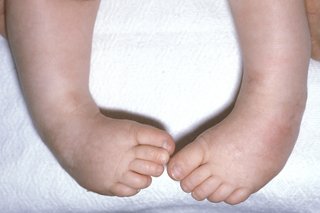
Club Foot Nhs
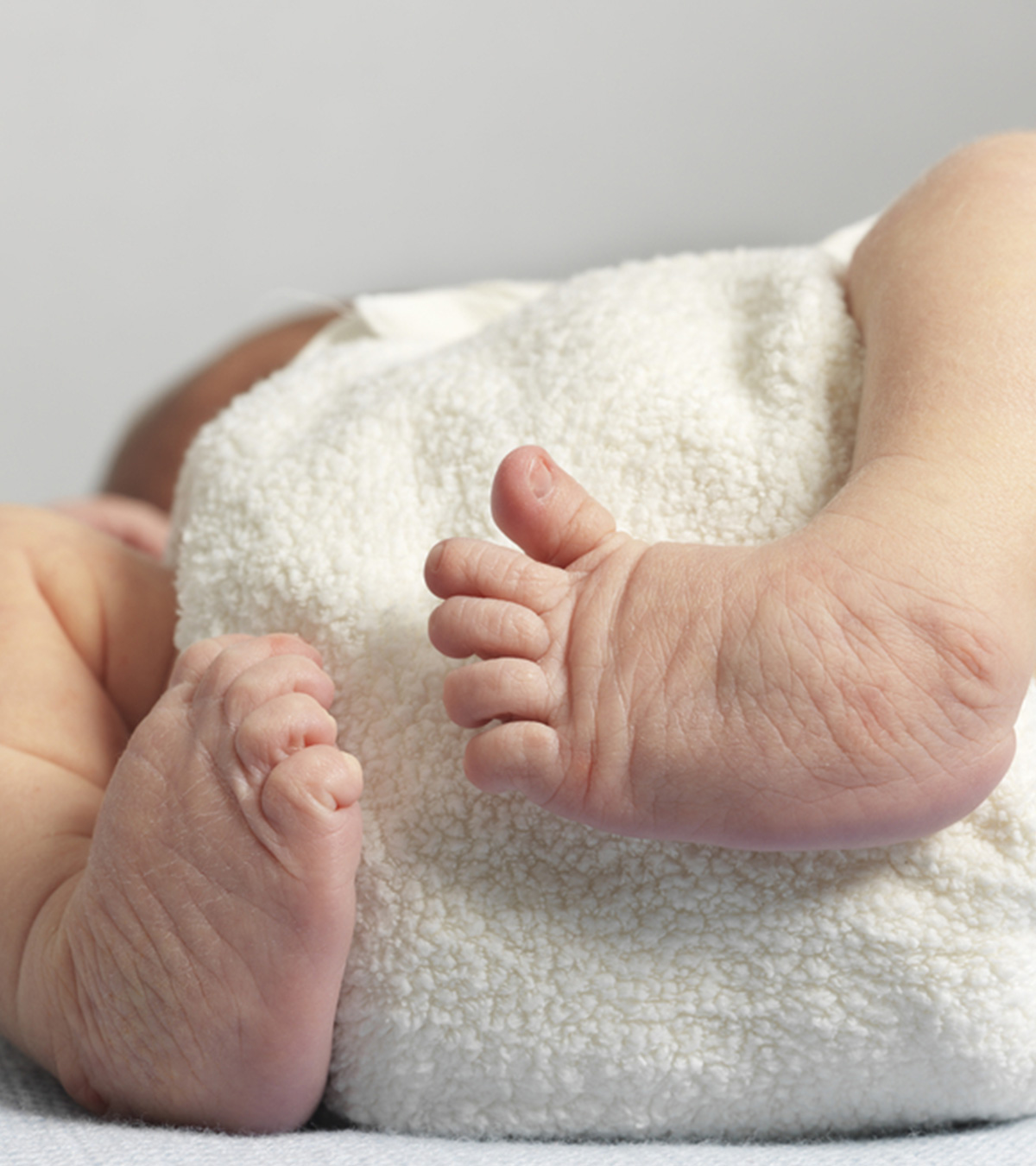
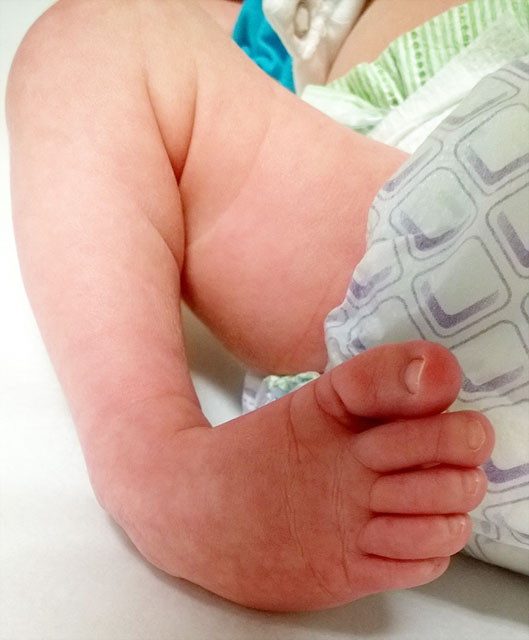
Club foot also known to doctors as congenital talipes equinovarus, is a common birth defect (congenital clubfoot) that can affect one or both feet The child is born with a foot pointing the wrong way – turned down and in – that cannot be placed flat on the ground in the position needed for walking (Figure 1) Causes and contributing factors Causes and contributing factors for clubfoot have not been determined Differential Diagnosis There is no differential diagnosis for clubfoot Treatment The foot of a newborn is merely the size of an adult thumb As the foot matures, the development of the bones and joints become rigid and less flexibleClubfoot (also called talipes equinovarus) is a birth defect of the foot It's when a baby's foot turns inward so that the bottom of the foot faces sideways or even up This happens because the tissues that connect muscles to bone (called tendons) in

What Is Clubfoot Stanford Children S Health
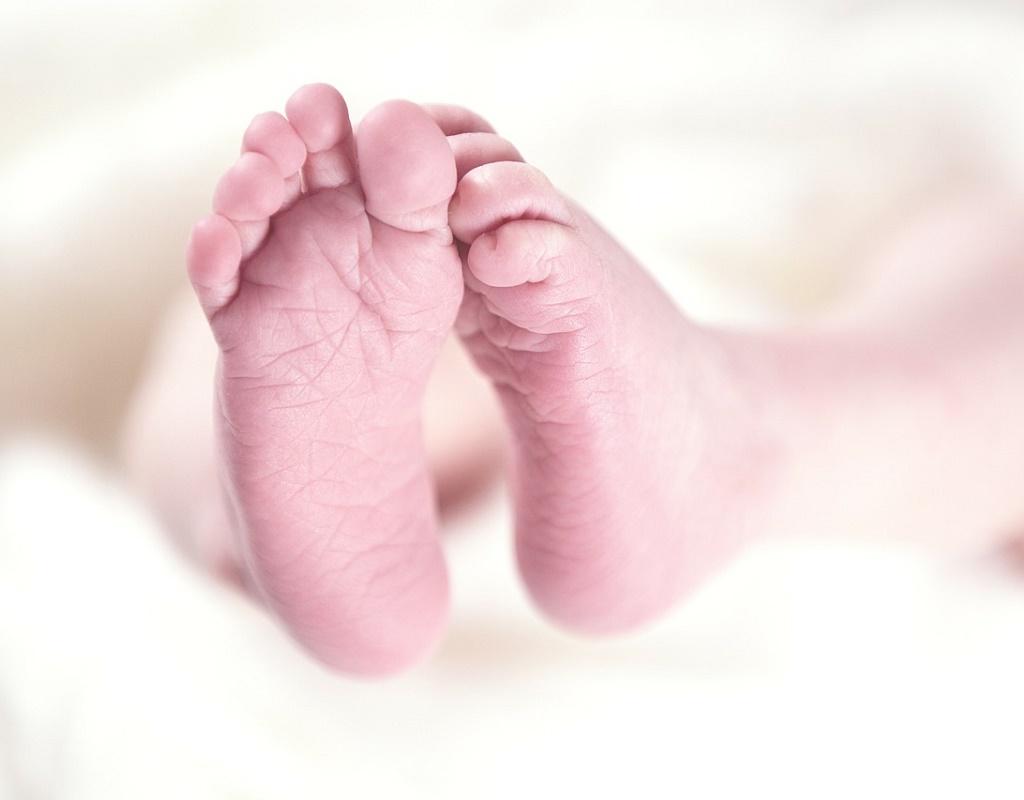
Club Foot Cause And Treatment Family Health Kidspot
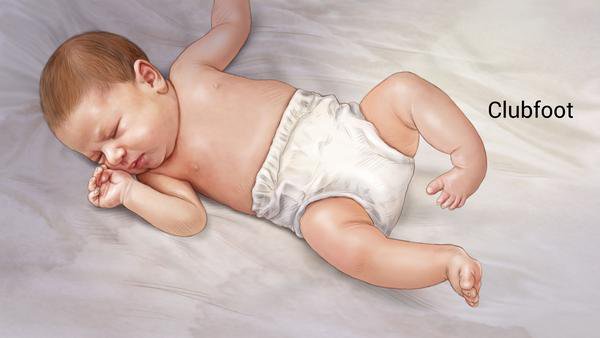
A slight medial incurvation of the fifth finger is a frequent finding on the newborn exam It is often inherited as a familial trait Although it can be associated with several genetic disorders, including Down's syndrome, the absence of other physical findings will confirm that it isClubfoot is a common type of birth defect that affects muscles and bones in the feet Instead of being straight, a clubfoot points down and turns in This twisting causes the toes to point toward the opposite leg A baby can be born with the defect in one or both feetClub foot can happen in one foot or in both feet In almost half of affected infants, both feet are involved Although club foot is painless in a baby, treatment should begin immediately Club foot can cause significant problems as the child grows But with early treatment most children born with club foot are able to lead a normal life

To Parents Of Children Born With Clubfeet University Of Iowa Stead Family Children S Hospital

Talipes Babycentre Uk
Causes of club foot In most cases the cause of club foot is not known There may be a genetic link, as it can run in families If you have a child with a club foot or feet, your chance of having a 2nd child with the condition is about 1 in 35 If 1 parent has a club foot, there's about a 1 in 30 chance of your baby having it Clubfoot is a condition in which a child's foot points downward and twists inward The foot can sometimes look like the head of a golf club, giving the condition its name Affecting about 1 in 1,000 babies in the US, clubfoot is one of the most common birth defects, and boys are twice as likely as girls to have itThey include Gender Twothirds of babies with clubfoot are male Family history Babies with a parent or sibling who had clubfoot are twice as likely to get it Lifestyle choices If you smoke or use illegal drugs while you're pregnant, you raise your baby's chances of being born Other birth

Clubfoot Can Be Corrected Non Surgically United States Bone And Joint Initiative

Clubfoot Symptoms Causes Risk Factors Treatment
Clubfoot actually describes an array of foot deformities that cause your newborn baby's feet to be twisted, pointing down and inward About half of babies with clubfoot have it in both feet Boys have clubfeet nearly twice as often as girls 1 Approximately 1 to 4It is not clear what causes club foot It may be due to an abnormality in the development of the soft tissues and bones of the ankle and foot Club feet are more common in some families or cultural groupsVideo Club Foot (Talipes) in Babies – Causes, Signs & Treatment What Is Clubfoot?
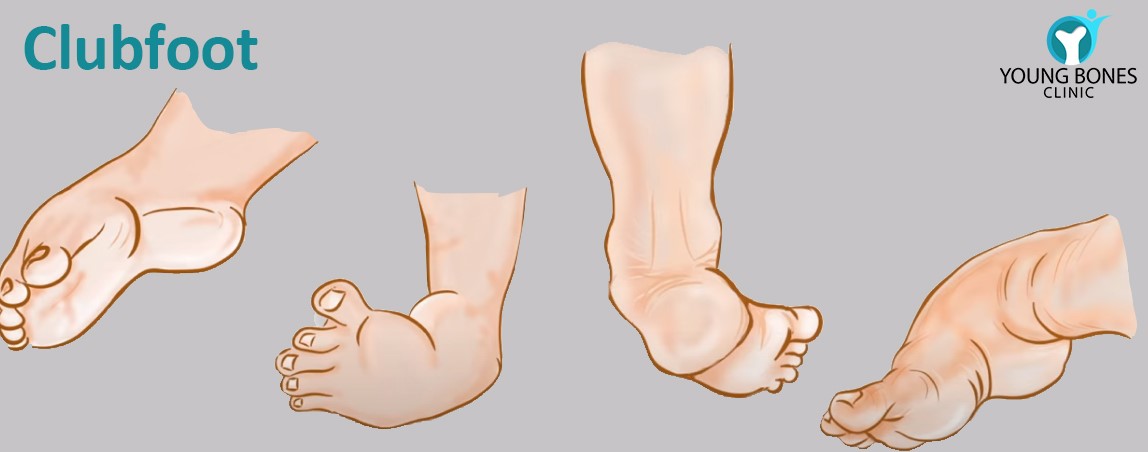
Clubfoot Treatment In Gurgaon Delhi Young Bones Clinic
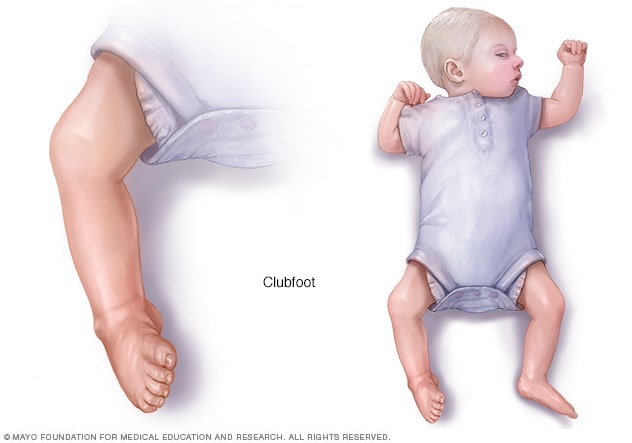
Clubfoot Symptoms And Causes Mayo Clinic
You see depictions of it in Egyptian hieroglyphs and writings byClubfoot, also known as talipes equinovarus (TEV), is a common foot abnormality, in which the foot points downward and inward It occurs twice as often in males than in females Signs of clubfoot include a short and/or tight Achilles tendon (heel cord) and a heel that is turned inLearn the answers to these questions and more on this episode of #PhoenixChildrensL
1

Foot Deformity At Time Of Delivery In A Premature Infant Photo Quiz American Family Physician

Positional Clubfoot

Clubfoot Global Clubfoot Initiative
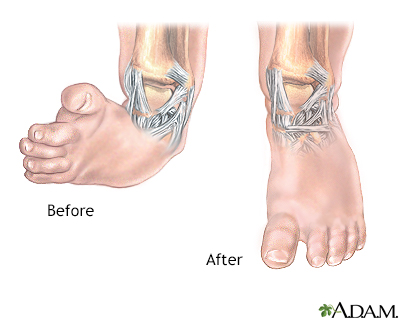
Clubfoot Information Mount Sinai New York
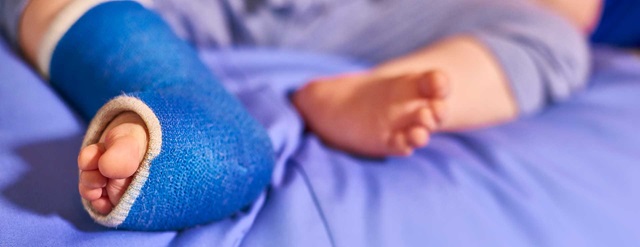
Clubfoot Johns Hopkins Medicine

Pdf Orthotic Management Of Talipes Equinovarus In Newborns Using The Newborn Dynamic Torsion Kafo To Reproduce The Sequential Progression Of Ponseti Casting Semantic Scholar
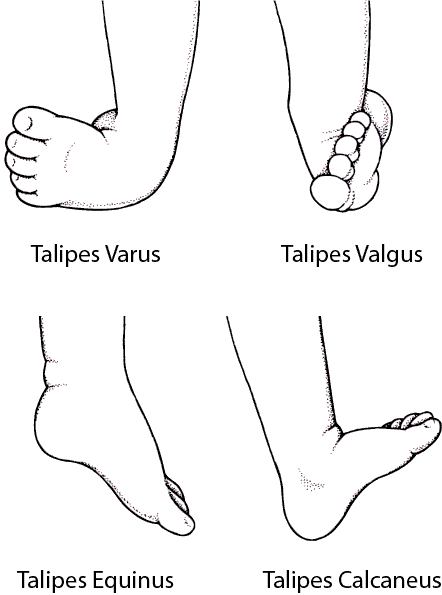
Clubfoot And Other Foot Defects Children S Health Issues Merck Manuals Consumer Version

Clubfoot Congenital Talipes Equinovarus Pediatrics Orthobullets

Clubfoot Or Congenital Talipes Equinovarus Ctev Young Bones Clinic
Introduction To Clubfoot Physiopedia
Antidepressants And Clubfoot Birth Defect
What Is Clubfoot Symptoms And Treatment Familydoctor Org

Uncommon Iii Grade Clubfoot Congenital Talipes Equinovarus Cte In Download Scientific Diagram

Clubfoot Healthdirect
Clubfoot In Baby Causes Diagnosis Treatment Pictures

Talipes Club Foot Doctors Australia

14 Clubfoot Baby Ideas Club Foot Baby Club Foot Baby
Clubfoot Causes Symptoms And Diagnosis

World Clubfoot Day Over 150 000 Babies Are Born With Clubfoot Each Year Physiospot Physiotherapy And Physical Therapy In The Spotlight
Introduction To Clubfoot Physiopedia

Clubfoot Boston Children S Hospital

What Is Clubfoot And How Is It Treated
Frontiers Developing A Three Dimensional 3d Assessment Method For Clubfoot A Study Protocol Physiology
:max_bytes(150000):strip_icc()/clubfoot_before-56a6fb603df78cf7729142e3.jpg "Photos Of Babies With A Clubfoot")
Photos Of Babies With A Clubfoot
A Moms Tips On Dealing With Clubfoot Things To Do With Kids Things To Do With Kids
Clubfoot Johns Hopkins Medicine
Congenital Talipes Equinovarus Clubfoot Nursing Care Management Nurseslabs

Clubfoot Phenotype In Pma Pma Mice Human Newborn With Congenital Download Scientific Diagram
Club Foot

Clubfoot In Newborns Paedicare Paediatricians
Club Foot Nhs
1
Club Foot In Infants Reasons Signs Remedies

The Ultimate Guide To A Clubfoot Baby Simply Working Mama
June 3rd World Clubfoot Day

To Parents Of Children Born With Clubfeet University Of Iowa Stead Family Children S Hospital

Clubfoot Symptoms Stages Definition Description Demographics Causes And Symptoms Diagnosis

Clubfoot Treatment Causes Symptoms Diagnosis
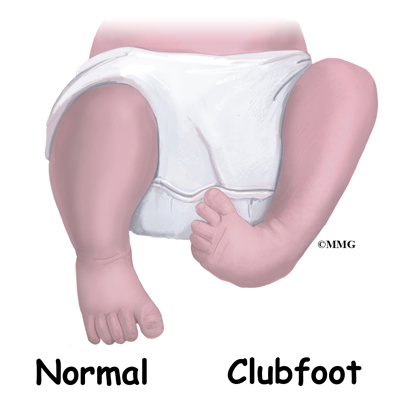
Clubfoot Eorthopod Com
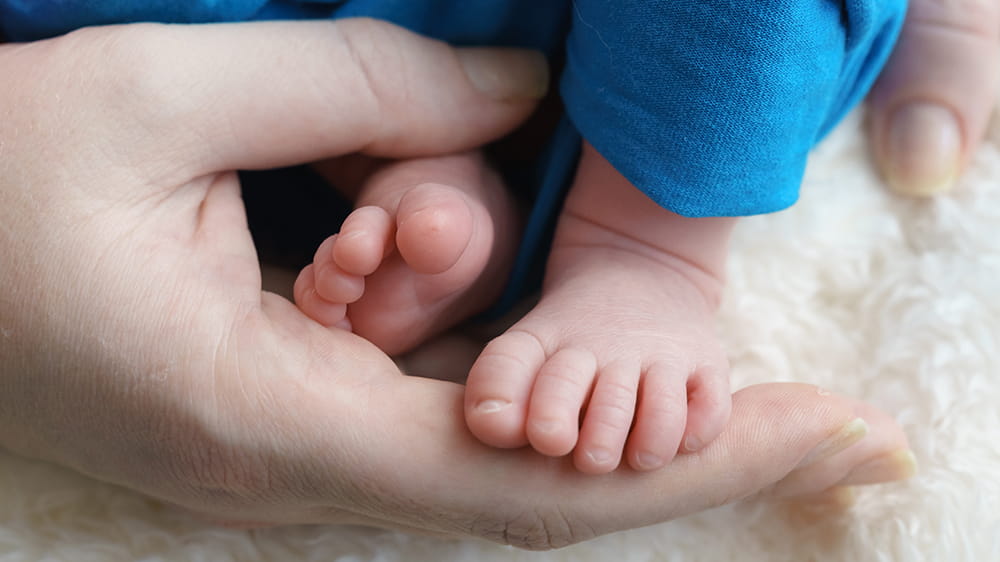
Clubfoot Orthopedics Sports Medicine
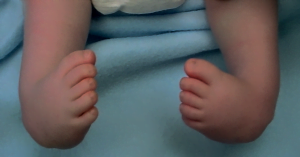
Congenital Clubfoot Prof Nicola Portinaro Orthopedic Suregon
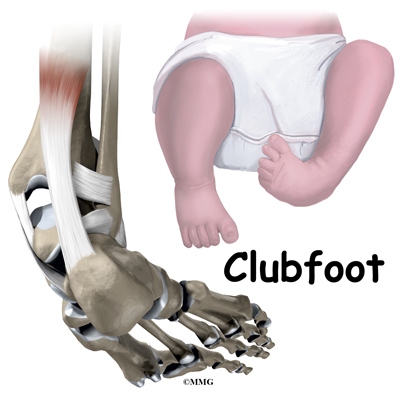
Clubfoot Eorthopod Com
Clubfoot Treatment What To Expect Scfas
Clubfoot Causes And Treatments
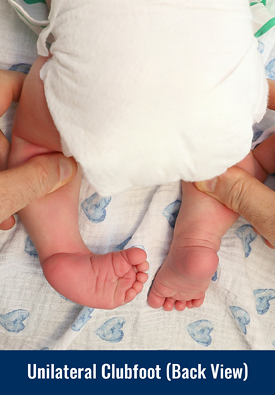
Clubfoot Baltimore Md International Center For Limb Lengthening
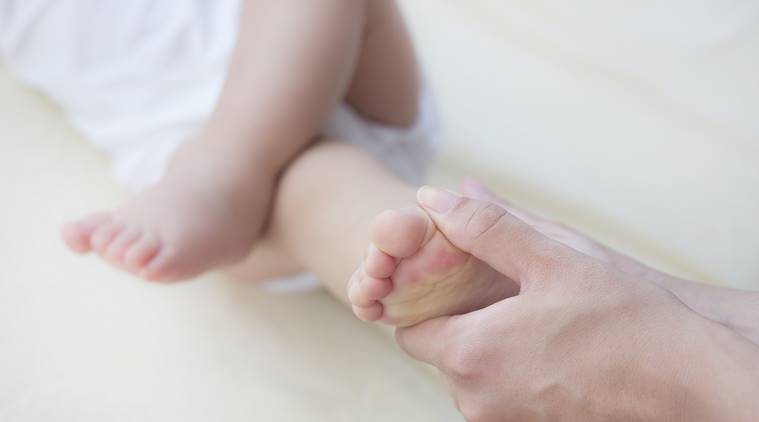
Treating Clubfoot Early May Help A Child Walk Normally Parenting News The Indian Express
/GettyImages-976611000-781e705fad0e43aca41e5f5fc82f7b7e.jpg "Learn About Clubfoot Deformity In Newborns")
Learn About Clubfoot Deformity In Newborns

Clubfoot In Newborns Causes Symptoms Diagnostics Schoen Clinic
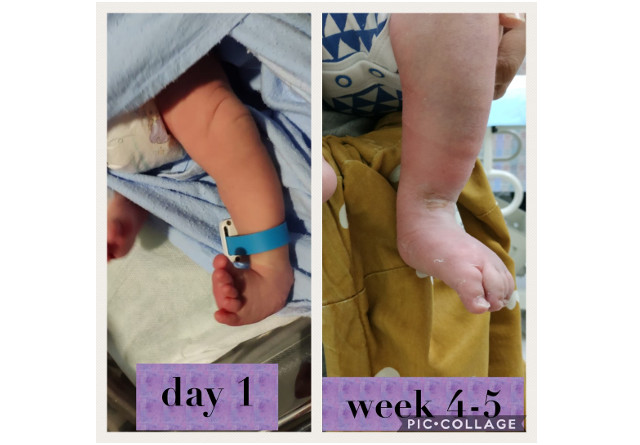
My Baby Has Clubfoot
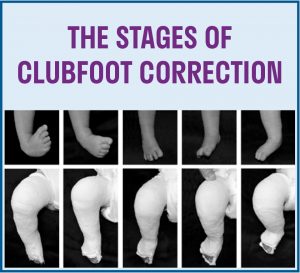
Treatment Strategies Paley Orthopedic Spine Institute
/clubfoot_before002-56a6fb5f5f9b58b7d0e5d484.jpg "Photos Of Babies With A Clubfoot")
Photos Of Babies With A Clubfoot
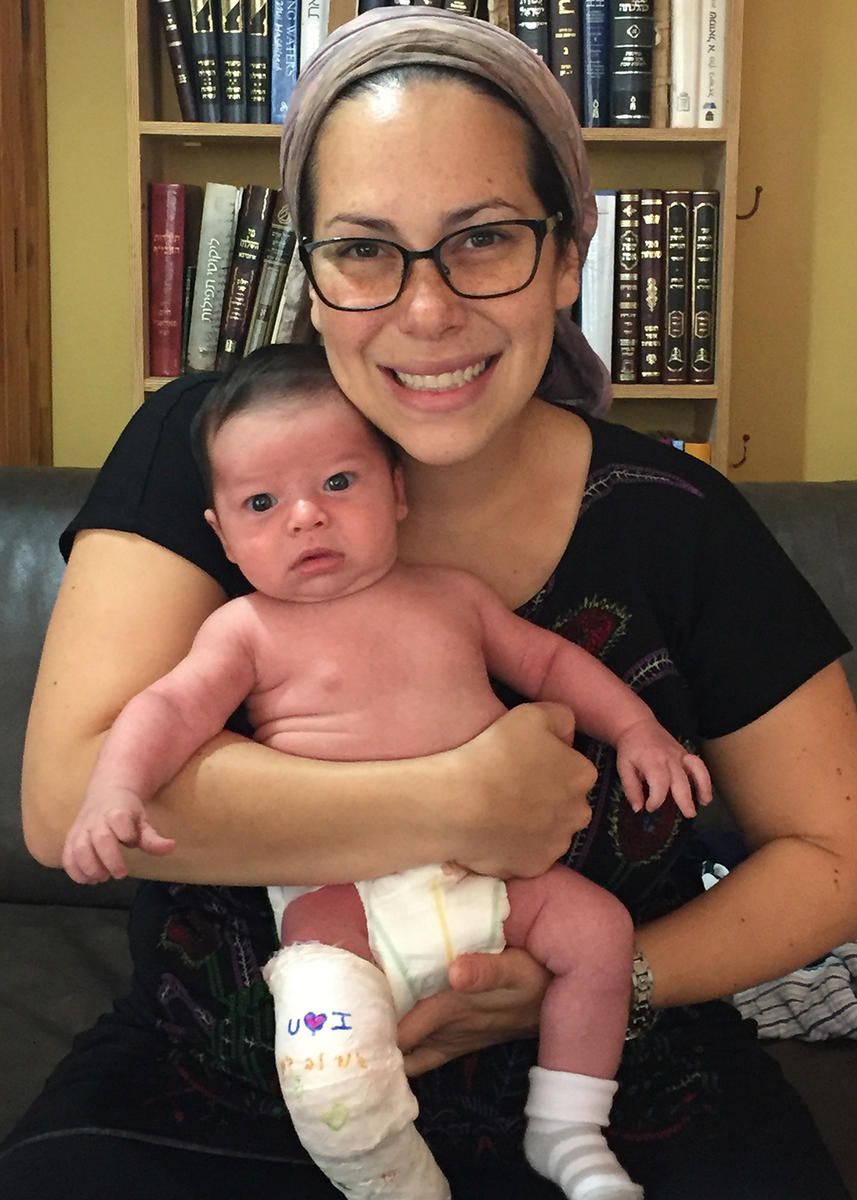
Overcoming Clubfoot One Mom S Story Parents
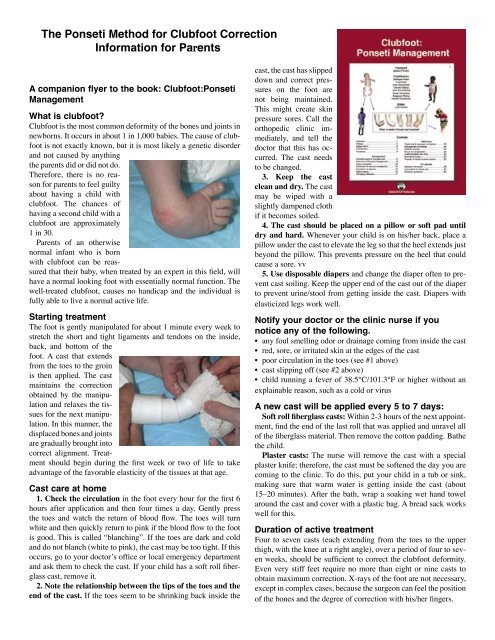
Ponseti Method Clubfoot Correction Ct Ortho Com
/clubfoot_baby-56a6fb5d5f9b58b7d0e5d472.jpg "Photos Of Babies With A Clubfoot")
Photos Of Babies With A Clubfoot

Overcoming Clubfoot One Mom S Story Parents
Clubfoot For Parents Nemours Kidshealth

Clubfoot Boston Children S Hospital

About Clubfoot

Congenital Idiopathic Talipes Equinovarus American Academy Of Pediatrics
Physical Therapy In Plymouth For Pediatric Issues Clubfoot
Club Foot In Infants Reasons Signs Remedies
Clubfoot Disease Reference Guide Drugs Com

A Pair Of Shoes Can Change A Life Our Clubfoot Journey

Club Foot Symptoms And Treatment

Why Leave A Clubfoot For Later

Why Are My Baby S Feet Turned In And How Can It Be Corrected Madeformums
Clubfoot Orthoinfo os
Clubfoot Orthoinfo os

What Is Clubfoot Family And Kids Of The Chattahoochee Valley
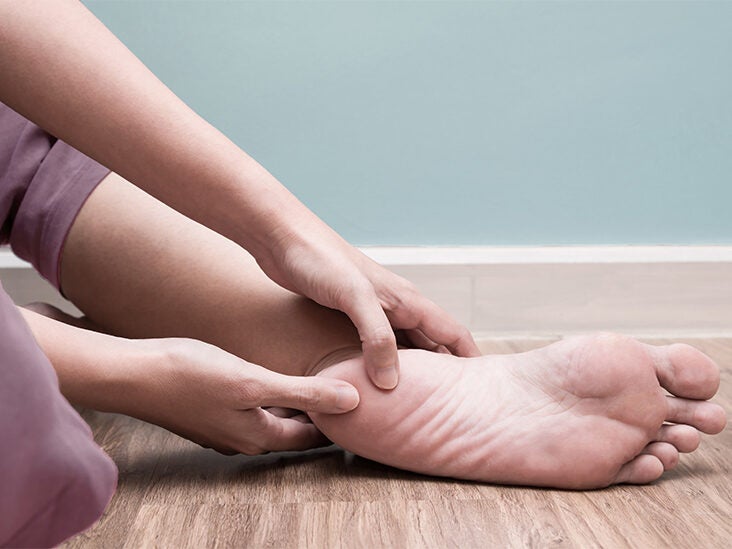
Clubfoot Causes Symptoms And Diagnosis
1
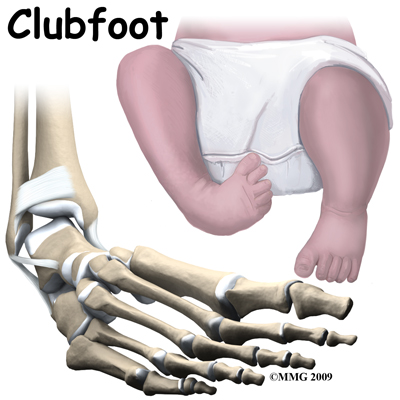
Physical Therapy In Plymouth For Pediatric Issues Clubfoot
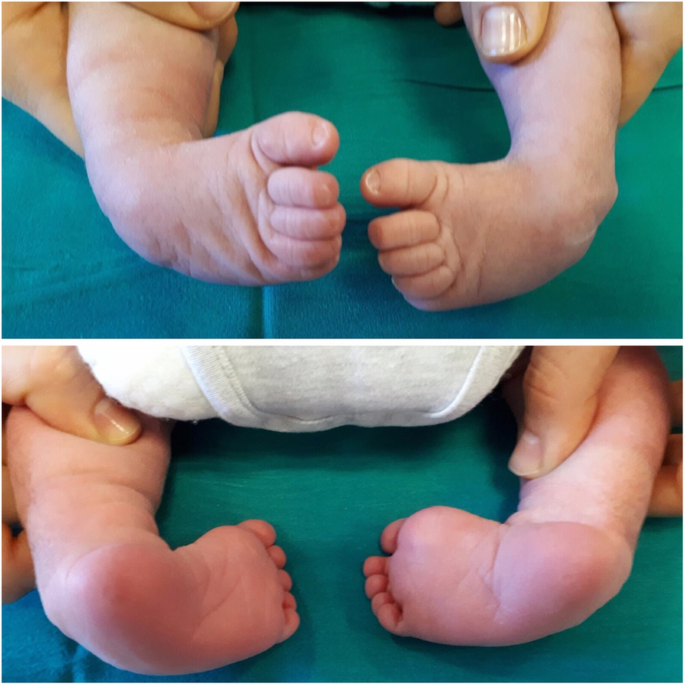
What A Paediatrician Should Know About Congenital Clubfoot Italian Journal Of Pediatrics Full Text
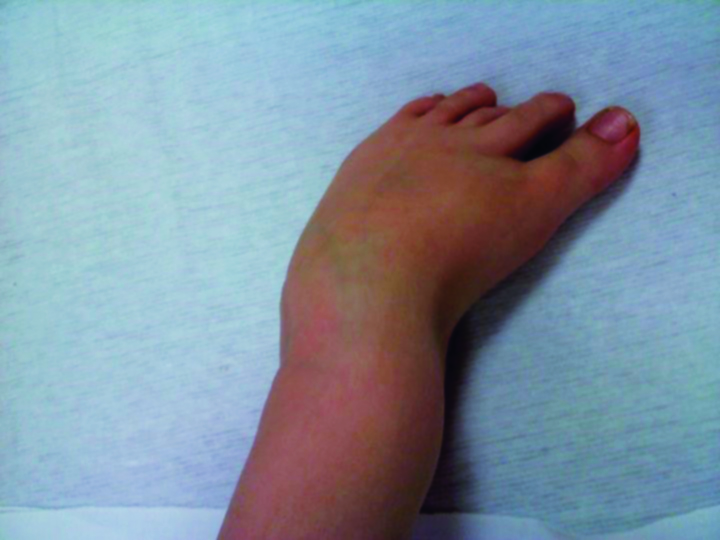
Clubfoot Deformities Get A Full Range Of Understanding pc Knowledge Center

Clubfoot Wikipedia

Clubfoot

Talipes Club Foot Health

Clubfoot Children S Orthopaedic And Scoliosis Surgery Associates Llp

Club Foot Chicago Foot Care Clinic
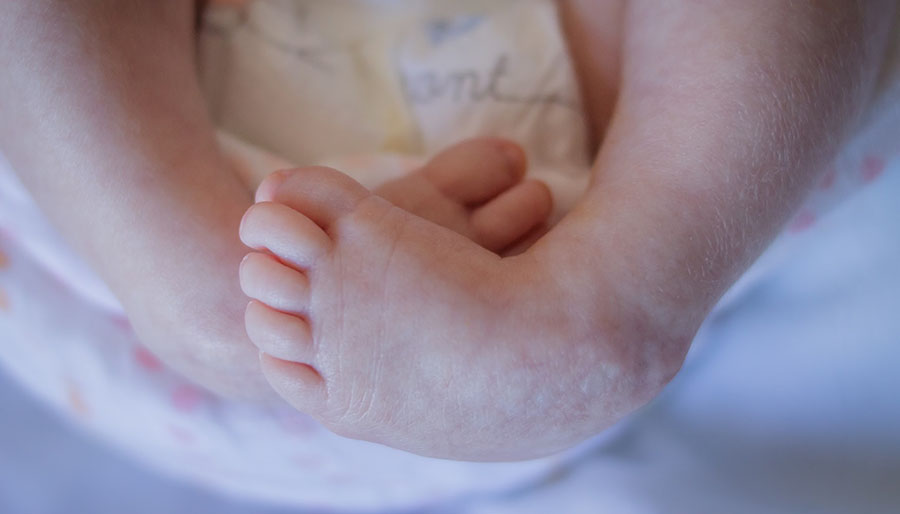
Marlowe S Clubfoot Journey How One Mom Went From Devastated To Reassured Children S Wisconsin

2 Clubfoot Stock Photos Pictures Royalty Free Images Istock


0 件のコメント:
コメントを投稿